
How many years should a couch last?
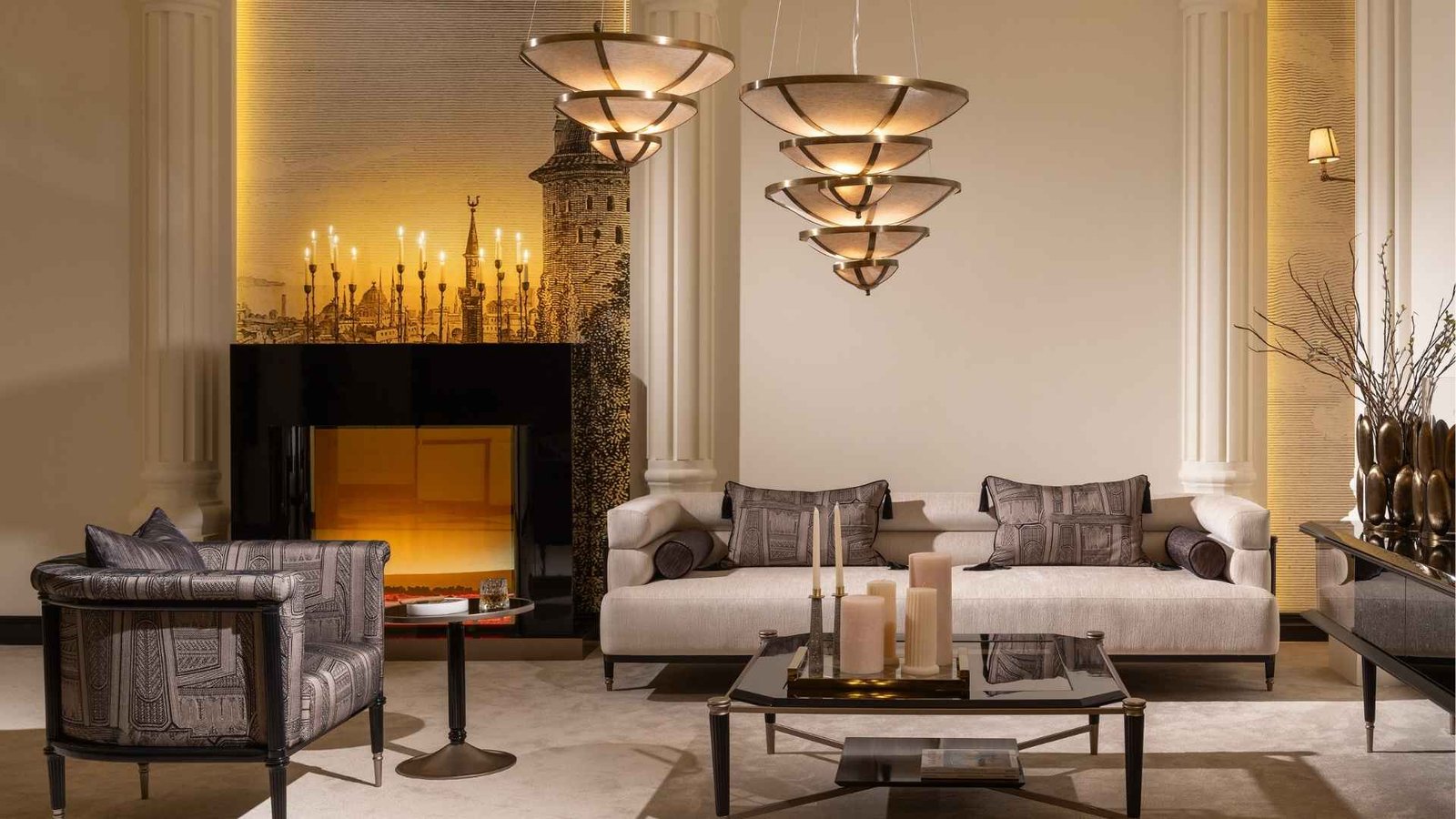
How Many Years Should a Couch Last? Here is a Complete Guide from Lusso Modern Home furniture store to Sofa Lifespan, Durability, and Value. A couch is one of the most frequently used pieces of furniture in any home. It is where families gather, guests sit, and daily life unfolds. Because of its central role, many homeowners wonder how many years a couch should last before it needs to be replaced. The answer depends on several factors, including construction quality, materials, usage patterns, and maintenance. On average, a well-made sofa should last between 7 and 15 years, but understanding what affects longevity can help you extend that lifespan and make smarter purchasing decisions.
Average Lifespan of a Couch
The typical lifespan of a couch varies based on quality tier. Budget sofas usually last around 5 to 7 years. Mid-range sofas can last approximately 7 to 10 years. High-end or luxury couches, especially those built with solid hardwood frames and premium upholstery, can last 12 to 15 years or even longer with proper care. The difference in lifespan often comes down to frame construction, suspension system, cushion density, and fabric durability. Investing in better materials upfront usually translates to fewer replacements over time.
| Category | Type / Level | Average Lifespan | Key Materials | Durability Level | Notes |
| Price Tier | Budget Sofa | 5–7 Years | Softwood frame, particleboard, low-density foam | Low–Moderate | Suitable for temporary or light use spaces |
| Mid-Range Sofa | 7–10 Years | Hardwood/engineered wood frame, sinuous springs, medium-density foam | Moderate–High | Good balance of cost and durability | |
| High-End / Luxury Sofa | 12–15+ Years | Kiln-dried hardwood frame, 8-way hand-tied springs, high-density foam | High | Long-term investment, often reupholsterable | |
| Frame Construction | Particleboard / MDF | 3–5 Years | Engineered wood | Low | Prone to loosening and structural fatigue |
| Softwood | 5–8 Years | Pine or similar woods | Moderate | More durable than MDF but less than hardwood | |
| Kiln-Dried Hardwood | 12–20 Years | Oak, maple, ash | Very High | Most durable structural option | |
| Suspension System | Webbing | 3–6 Years | Elastic or fabric straps | Low | Common in low-cost sofas |
| Sinuous Springs | 7–10 Years | Steel zigzag springs | Moderate–High | Widely used and reliable when well installed | |
| 8-Way Hand-Tied Springs | 12–20 Years | Hand-tied coil springs | Premium | Superior support and longevity | |
| Cushion Fill | Low-Density Foam (<1.8 lb/ft³) | 3–5 Years | Standard polyurethane foam | Low | Flattens quickly |
| High-Density Foam (1.8+ lb/ft³) | 8–12 Years | High-resilience foam | High | Maintains shape longer | |
| Down/Feather Blend | 10+ Years (with maintenance) | Feather + foam core | High (with care) | Requires regular fluffing | |
| Upholstery Material | Synthetic Fabric | 5–10 Years | Polyester, microfiber | Moderate | Easy to clean, family-friendly |
| Natural Fabric | 5–8 Years | Cotton, linen | Moderate | Breathable but may wear faster | |
| Genuine Leather | 12–20 Years | Top-grain leather | Very High | Develops patina, requires conditioning | |
| Bonded Leather | 3–6 Years | Leather scraps + polyurethane | Low | Peels over time | |
| Usage Level | Light Use | +2–5 Years Added | Formal living rooms | — | Minimal wear extends lifespan |
| Heavy Daily Use | −2–5 Years Reduced | Family rooms | — | Kids, pets accelerate wear | |
| Maintenance Impact | Regular Cleaning & Cushion Rotation | Extends 2–4 Years | — | — | Prevents uneven sagging |
| Poor Maintenance | Reduces 2–5 Years | — | — | Dirt, sunlight, neglect speed deterioration |
Couch Frame Construction and Structural Integrity
The frame is the backbone of any couch. Sofas constructed from solid hardwood, such as kiln-dried oak, maple, or ash, tend to last significantly longer than those made from particleboard, softwood, or plastic. Kiln-drying removes moisture from the wood, reducing the risk of warping or cracking over time. High-quality frames are often reinforced with corner blocks and dowels rather than staples alone. If a couch begins to creak, wobble, or sag at the base, it often indicates frame fatigue. A durable frame alone can add many years to a sofa’s lifespan.
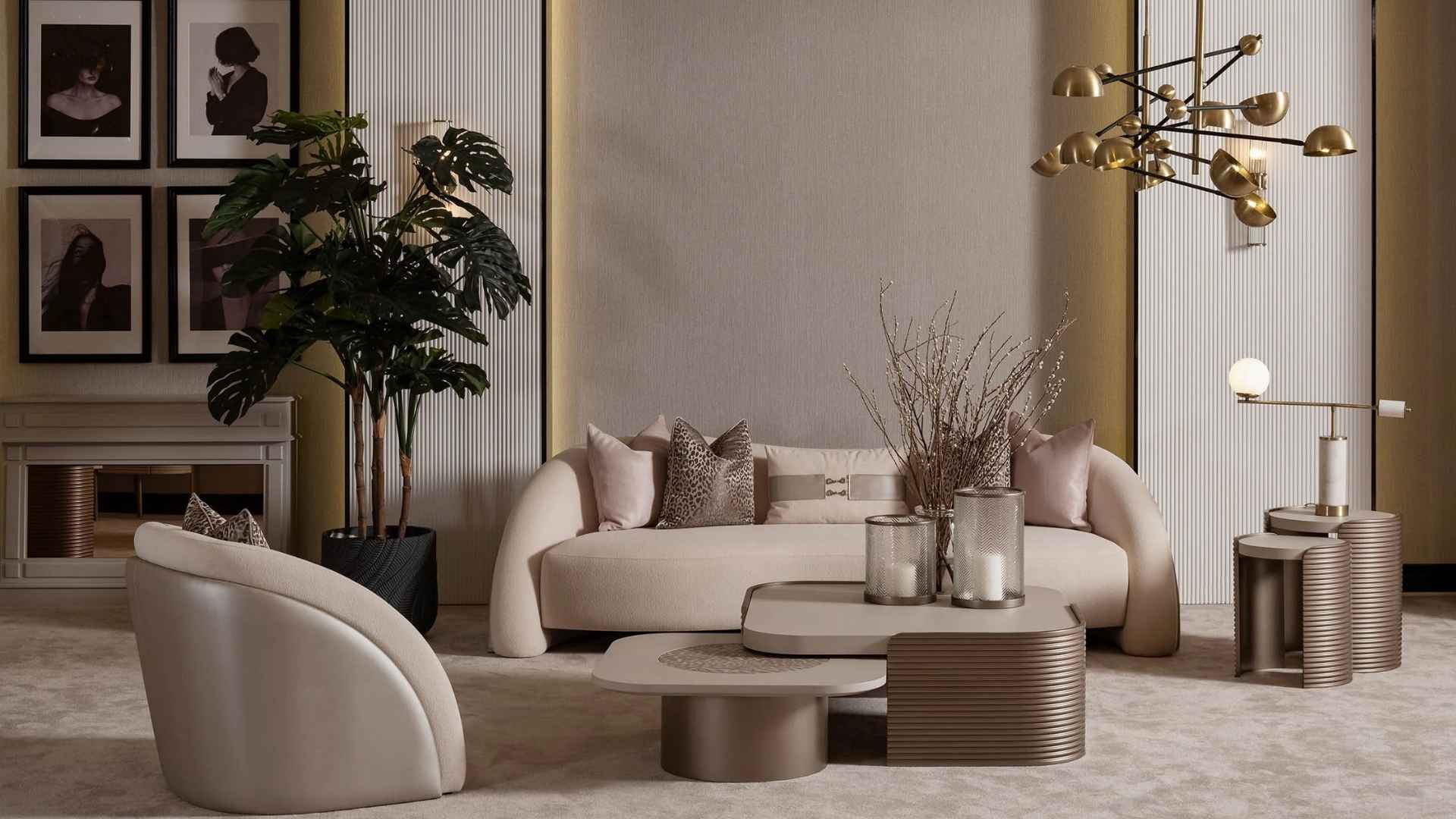
The suspension system determines how well a couch maintains its shape and comfort. Eight-way hand-tied springs are considered a premium option and are commonly found in luxury furniture. Sinuous spring systems are more common in mid-range sofas and can also provide reliable support when properly installed. Lower-quality sofas may use webbing or minimal spring support, which tends to wear out faster. When support weakens, the seating begins to sag, reducing both comfort and longevity.
Couch Cushion Quality and Foam Density
Couch cushions play a pivotal role in determining the longevity and comfort of a sofa. At Lusso Modern Home, we offer high-quality couches designed with durability in mind, featuring cushions made from high-density foam (typically 1.8 pounds per cubic foot or higher) that maintain their shape and resist sagging over time. Sofas with lower-density foam may flatten quickly, causing uncomfortable seating within just a few years. For those seeking extra luxury, down or feather blend cushions provide a soft, plush feel but require regular fluffing and maintenance to keep them looking and feeling their best. At Lusso Modern Home, replacing cushion inserts is a practical and cost-effective way to refresh your sofa without replacing the entire piece, ensuring long-lasting comfort and style for your living space.
Upholstery Material and Wear Resistance
The upholstery fabric greatly influences both appearance and durability. Leather, when properly maintained, can last 15 years or more and often develops a desirable patina over time. Genuine top-grain leather tends to outlast bonded leather or synthetic alternatives. Performance fabrics engineered for stain resistance and durability are also excellent choices for busy households. Natural fibers like cotton and linen provide breathability but may wear faster in high-traffic environments. The Martindale or double rub rating of fabric indicates its resistance to abrasion, which is particularly important for family rooms and frequently used spaces.
Household Usage Patterns, Maintenance, and Care Practices
How often and how intensely a couch is used will significantly affect its lifespan. A sofa in a formal living room furniture that sees occasional use may last much longer than one in a family room used daily by children and pets. Jumping, rough use, and exposure to spills accelerate wear. In homes with pets, claws and shedding can contribute to fabric deterioration. Choosing durable materials and protective treatments can help counteract heavy usage.
Regular maintenance can extend the life of any couch. Vacuuming upholstery prevents dirt from embedding into fibres. Rotating and flipping cushions promotes even wear. Cleaning spills promptly reduces staining and fabric breakdown. Leather sofas benefit from conditioning treatments that prevent drying and cracking. Avoiding direct sunlight also protects upholstery from fading and material degradation. Simple care routines can add years to a sofa’s functional lifespan.
Signs It’s Time to Replace a Couch
Even high-quality sofas eventually show signs of aging. Persistent sagging, broken springs, unstable frames, and torn upholstery may indicate that replacement is more cost-effective than repair. If sitting on the couch causes discomfort or back pain, internal support may have deteriorated. Odors that cannot be removed or structural damage that affects safety are also strong signals. While reupholstering or refurbishing can restore appearance, structural damage often justifies investing in a new piece. When evaluating how long a couch should last, it is helpful to think in terms of cost per year. A lower-priced sofa that lasts five years may cost more over time than a premium couch that lasts fifteen years. For example, replacing a budget sofa three times over 15 years could exceed the cost of a single high-quality purchase. Durability often aligns with sustainability, reducing waste and environmental impact.
Luxury Sofas and Extended Lifespan
Luxury sofas from Lusso Modern Home are designed with both elegance and longevity in mind. Each piece features solid hardwood frames, reinforced joints, high-density foam cushions, and premium upholstery, ensuring that your investment lasts for years. While the initial cost may be higher, these luxury sofas retain their structural integrity and sophisticated appearance for over a decade. Additionally, many Lusso Modern Home sofas can be reupholstered and refreshed, allowing their life to extend beyond twenty years, making them a lasting centrepiece for any modern living space.
Couch Durability Based on Environmental Factors and Climate
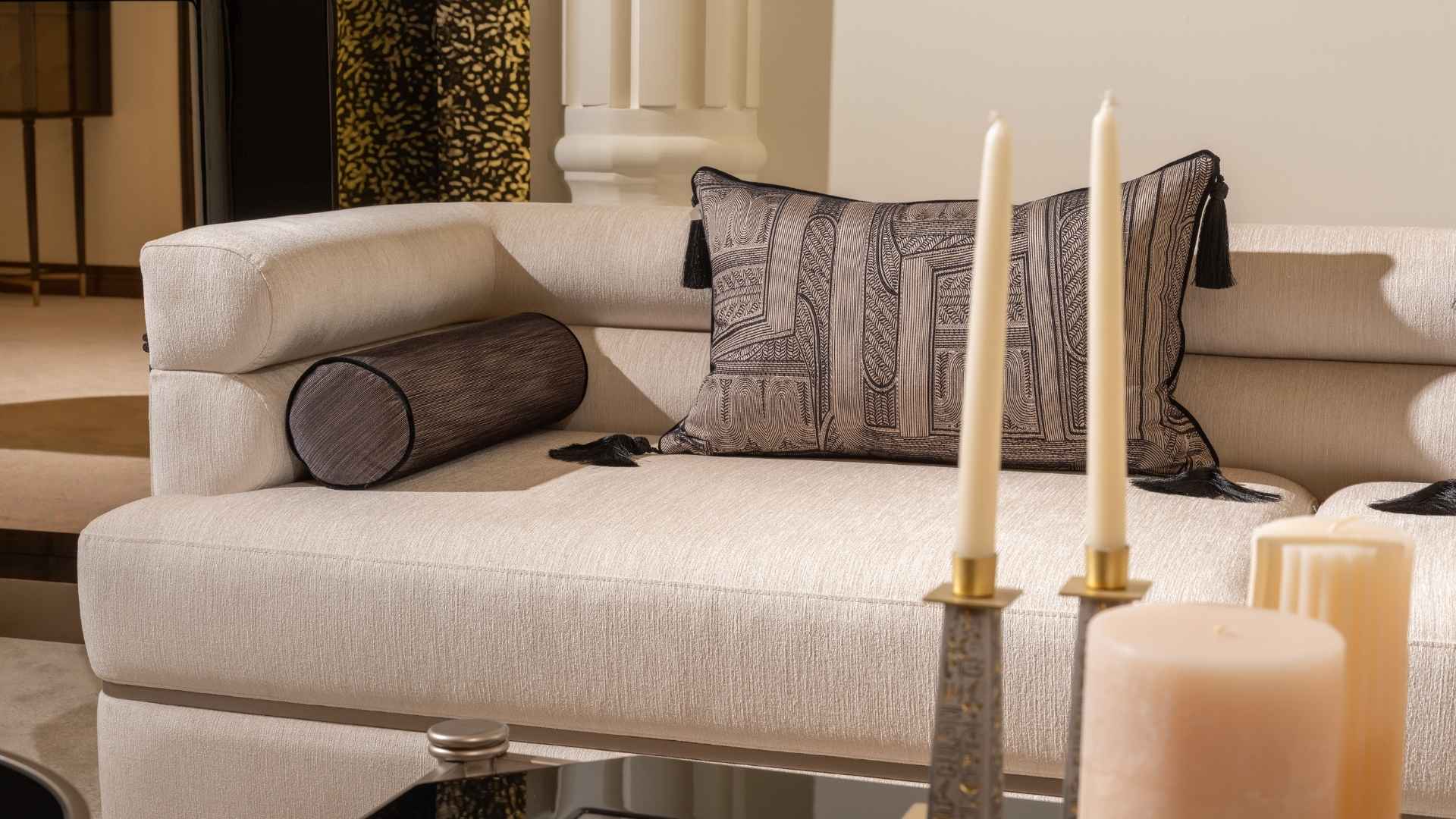
Climate conditions can influence couch durability. High humidity levels may affect wooden frames and promote Mold growth in certain fabrics. Extremely dry environments can cause leather to crack if it is not regularly conditioned. Temperature fluctuations may impact adhesives and foam resilience over time. Placing sofas away from heating vents, fireplaces, and direct sunlight helps protect materials from premature aging. When a couch shows cosmetic wear but remains structurally sound, reupholstering can be a practical alternative to replacement. This option allows homeowners to update the style while preserving a sturdy frame. However, reupholstery costs vary and may approach the price of a new mid-range sofa. Evaluating frame quality and overall structure is essential before making a decision. If the internal components are still strong, refurbishing can significantly extend the lifespan.
Warranty coverage often reflects expected durability. Sofas with extended frame warranties suggest confidence in construction quality. Before purchasing, reviewing manufacturer specifications regarding frame materials, cushion density, and fabric performance can provide insight into anticipated lifespan. Transparent product details usually indicate higher craftsmanship standards.
Conclusion
How many years should a couch last? In most cases, you can expect a lifespan of 7 to 15 years, depending on quality, materials, and maintenance. Budget sofas may need replacement within five to seven years, while premium, well-maintained couches can remain comfortable and attractive for over a decade. By understanding the factors that influence durability—such as frame construction, suspension systems, cushion density, and upholstery choice—you can make informed decisions that balance comfort, aesthetics, and long-term value. Investing in quality craftsmanship and practicing consistent care ultimately determines whether your couch serves your home for years or decades.
To ensure your couch lasts as long as possible, prioritize solid hardwood frames and high-density foam cushions at the time of purchase. Choose durable, easy-to-clean fabrics suited to your lifestyle. Rotate cushions regularly and address minor repairs promptly before they escalate. Protect upholstery from direct sunlight and moisture exposure. These proactive measures can extend usability well beyond the average lifespan.